Posts by Collection

portfolio

publications

A sustainability study of the flow regulation impacts by dams in a carp breeding river using the hydrodynamic model and building block analysis [Journal Link]

Published in SN Applied Sciences, 2019

The study addresses the threats to the Halda River, Bangladesh’s only natural carp spawning ground, due to human interventions and natural causes. These threats include pollution, infrastructural changes, and climate impacts. The study aims to assess the ecosystem, sustainable management, and flow regulation impacts of dams on the river. Using a hydrologic model (ArcSWAT) and a hydrodynamic model (Delft3D), the research simulates scenarios with and without dams to understand their effects on fish breeding conditions. The Tennant method is employed for environmental flow analysis, assessing impacts on fish habitats and spawning. The findings are further analyzed for velocity profiles to ensure sustainable aquatic habitats in the Halda River.
A sustainability analysis on the trends and frequency of the channel flow of a carp breeding river against human interventions and governing public–private partnership (PPP) as adaptation [Journal Link]

Published in SN Applied Sciences, 2020

The study examines the impact of human interventions on the Halda River, Bangladesh’s only natural carp breeding ground, and proposes a public-private partnership (PPP) model to address its deteriorating condition. The river faces infrastructural obstructions, industrial and agricultural exploitation, and climate change impacts, such as high salinity intrusion. These factors obstruct river flow and harm carp habitats, especially during pre-monsoon periods. A sustainability analysis was conducted, revealing river encroachment affecting aquaculture and low water availability in key river stretches. Frequency analysis indicated that pre-monsoon flow is unsuitable for fish habitats. The study emphasizes the importance of conserving the Halda River due to its ecological and commercial significance and suggests that a PPP framework can ensure long-term sustainability. The proposed joint effort aims to manage the river’s ecosystem sustainably and provide economic benefits, with stakeholders working together for the river’s survival.

Microbial Risk Assessment Informed by De Facto Reuse at Public Drinking Water Systems Across Contiguous United States [Link]

Presented at American Geophysical Union (AGU) Fall Meeting, 2021

De facto potable reuse (DFR) occurs when treated wastewater discharged to surface waters is present in downstream drinking water sources, and pathogens such as Cryptosporidium, Giardia, and enteric viruses that resist conventional disinfection can persist in treated effluents. Direct Potable Reuse guidelines set log inactivation targets for these pathogens to achieve an annual risk benchmark of 1 infection per 10,000 people per year, and earlier quantitative microbial risk assessments predicted that public water systems (PWSs) under DFR scenarios (roughly 10% or more treated effluent in the source) exceed this benchmark. Using the DRINCS geospatial model to assess DFR at PWSs of all sizes nationwide, the results predicted that more than 3% of U.S. PWSs could pose high public health risk relative to the benchmark, while only 8% of these affected systems employ advanced treatment technologies. About 12.3 million people were estimated to be exposed to microbial risk in source water (at DFR above 10%), with risks rising seasonally or during droughts as in-stream dilution varies. DRINCS includes a proximity analysis of upstream discharges and downstream intakes and accounts for in-stream pathogen die-off. The authors propose using DFR predictions to rank relative risks for communities, target epidemiological and risk assessment studies, and prioritize infrastructure investments in disinfection.

Sucralose and Predicted De Facto Wastewater Reuse Levels Correlate with PFAS Levels in Surface Waters [Journal Link]

Published in Environmental Science & Technology Letters, 2023

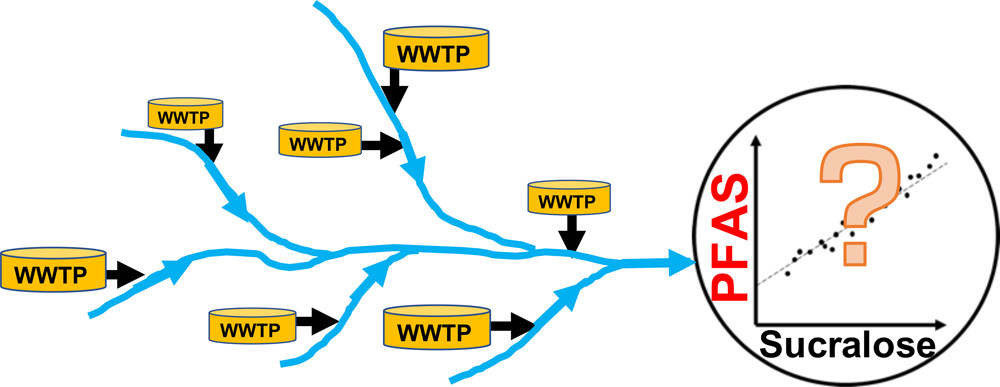
The study investigates the impact of per- and polyfluoroalkyl substances (PFAS) from wastewater treatment plant (WWTP) effluents on downstream drinking water treatment plants (DWTPs). PFAS, harmful to human health and ecosystems, are commonly found in WWTP effluents discharged into surface waters. The study analyzed river water and WWTP effluent samples for 19 PFAS and a surrogate chemical (sucralose) in a large watershed with over 165 WWTP discharges and multiple DWTP intakes. Results showed higher PFAS concentrations in WWTP effluents (50–200 ng/L) compared to river water, with similar distributions of individual PFAS in both. A direct linear relationship was found between PFAS and sucralose concentrations, indicating that unplanned wastewater reuse could be a significant PFAS source for many DWTPs. The study offers guidance for identifying PFAS sources through de facto reuse modeling and chemical surrogate sampling.

Unlocking the Potential of Wastewater Treatment Plants for Phosphorus Recovery: Identifying Optimal Locations for Technology Implementation and Fertilizer Production

Presented at American Geophysical Union (AGU) Fall Meeting, 2022 and 2023

Global-to-Local Dependencies in Phosphorus Mass Flows and Markets: Pathways to Improving System Resiliency in Response to Exogenous Shocks [Journal Link]

Published in Environmental Science & Technology Letters, 2024

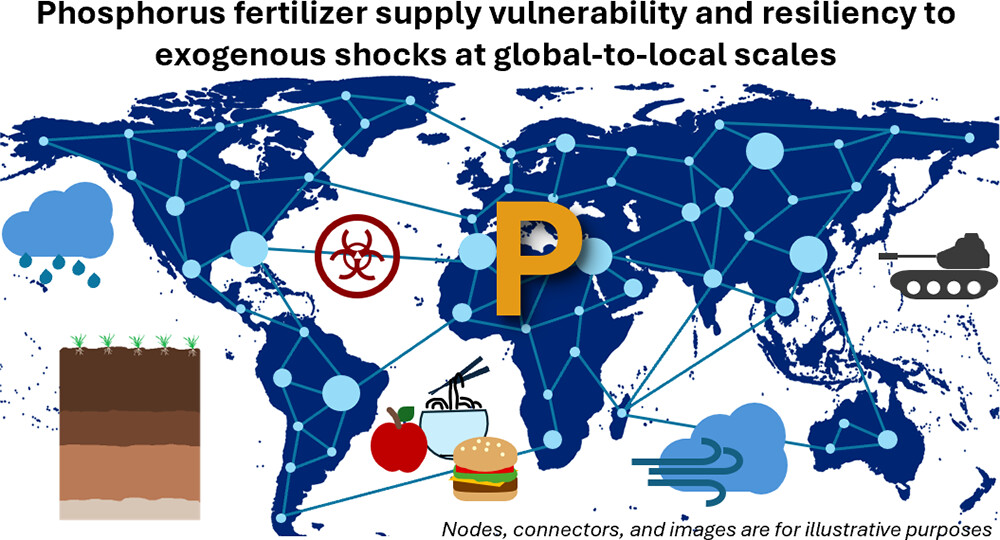
The study examines the vulnerability of phosphate (P) fertilizers to various exogenous shocks, such as commodity market fluctuations, extreme weather events, natural disasters, and geopolitical instability. It emphasizes the importance of understanding bidirectional risk transmission in P supply and consumption chains to prevent major impacts on critical infrastructure and global food systems. Recent unanticipated events and their cascading effects on P markets are highlighted, underscoring the need to consider these shocks in local assessments of P flows, policies, and infrastructure design. The text provides examples of strategies to enhance system resiliency, such as internal P recycling, improving plant P use efficiency, and utilizing legacy soil P. These local strategies, integrated within national and global policies, can mitigate risks and promote a sustainable P future.

Comparing household heads’ perception of climate change variability with meteorological trends and understanding mitigation measures to combat the adverse effects in coastal areas of Bangladesh [Journal Link]

Published in SN Social Sciences, 2024

The study examines household heads’ perceptions of climate change and compares them with meteorological trends in Bangladesh’s coastal districts. Using a mixed-methods approach, data were collected from 164 household heads and analyzed alongside temperature and rainfall data from 1980 to 2015. The analysis showed significant temperature increases across all seasons, aligning with residents’ observations, while rainfall patterns were more variable. Survey results indicated strong community awareness of climate change, with respondents emphasizing the need for climate education specific to Bangladesh and the importance of community cooperation. Education and income were significant predictors of climate change perceptions, with higher levels linked to more informed views on mitigation strategies. The study highlights the alignment between local perceptions and scientific data, stressing the integration of indigenous knowledge with empirical evidence in climate resilience planning. It offers valuable insights for policymakers and practitioners focused on building resilient communities in vulnerable coastal regions.

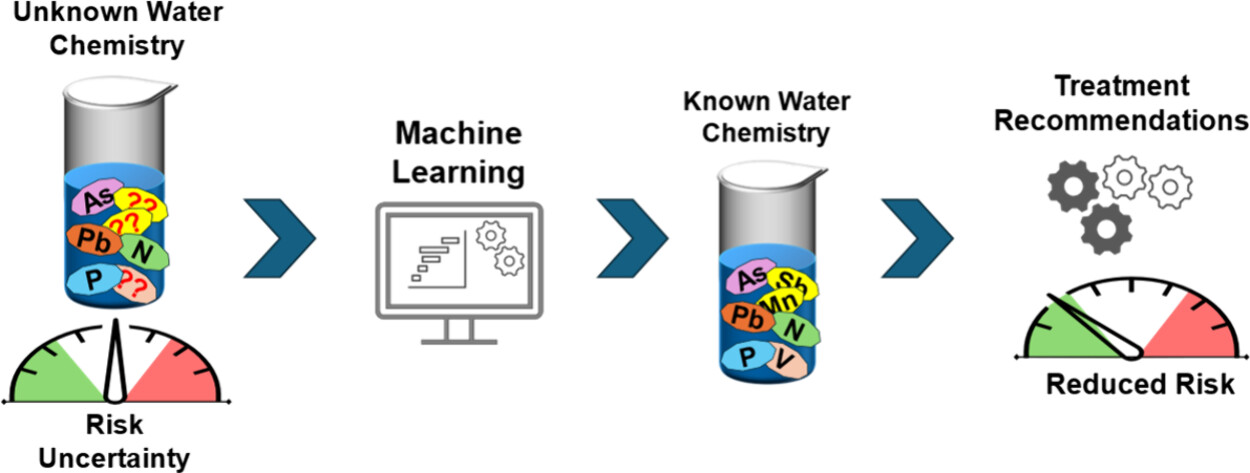
Multiple Data Imputation Methods Advance Risk Analysis and Treatability of Co-occurring Inorganic Chemicals in Groundwater [Journal Link]

Published in Environmental Science & Technology, 2024

The study emphasizes the importance of accurately assessing and managing risks from inorganic pollutants in groundwater. Due to sparse historic water quality databases, evaluating exposure and treatment effectiveness is challenging. Two advanced data imputation techniques, AMELIA and MICE, were compared to fill gaps in groundwater quality data. AMELIA performed better, as MICE tended to overestimate values, creating more outliers. Field data showed 75-80% of samples had no co-occurring pollutants exceeding MCL values, while imputed data indicated only 15-55% posed no health risks. Imputed data revealed a significant increase in locations potentially exceeding health limits and identified samples with multiple co-occurring chemicals surpassing health levels. Linking imputed data to sampling locations helps identify hotspots and optimize resource allocation for further sampling and analysis. This approach aids state agencies in prioritizing sampling locations and chemicals, enhancing the impact of funding for groundwater data collection by reducing uncertainty in future sampling and analysis priorities.

High organofluorine concentrations in municipal wastewater affect downstream drinking water supplies for millions of Americans [Journal Link]

Published in Proceedings of the National Academy of Sciences of the United States of America, 2025

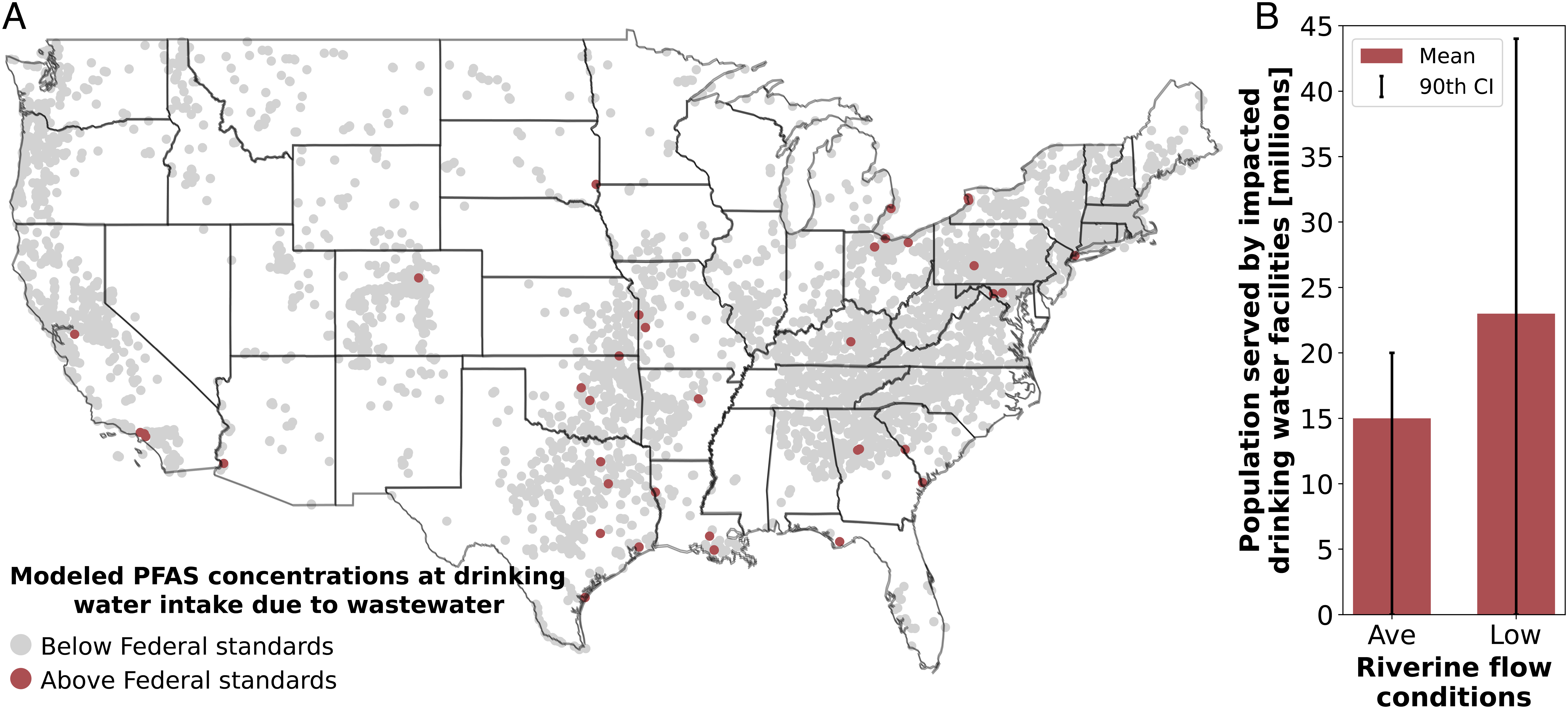
US municipal wastewater facilities are major per- and polyfluoroalkyl substances (PFAS) sources known to affect drinking water quality. Among eight large wastewater treatment facilities with comparable treatment technologies and sizes to those serving 70% of the US population, we found that the six regulated PFAS in drinking water accounted for <10% of extractable organofluorine (EOF) in wastewater influent and effluent. Most (62 to 75%) of the EOF consisted of commonly prescribed fluorinated pharmaceuticals, and the maximum EOF removal efficiency was <25%. Results from a national wastewater dilution model suggest that wastewater PFAS discharges impair drinking water supplies for >20 million Americans, emphasizing the importance of reducing diverse PFAS sources entering wastewater.

Impacts of Unplanned De Facto Wastewater Reuse on Disinfection Byproduct Formation at Downstream Drinking Water Treatment Plants [Journal Link]

Published in Current Opinion in Environmental Science & Health, 2025

De facto reuse (DFR) is the unplanned inclusion of treated wastewater in drinking water supplies due to upstream wastewater treatment plant effluents. Nearly half of drinking water treatment plants (DWTPs) in the USA are impacted to some extent by DFR, with maximum estimated DFR percentage streamflow approaching 90% in some cases, and DFR has been reported globally in Asia, Europe, and Africa. Treated wastewater discharged to surface waters can contain significant levels of inorganic (e.g., bromide and iodide) and organic compounds (e.g., micropollutants, extracellular products, and nitrogen-containing organic matter) that serve as precursors to regulated and unregulated disinfection by-products (DBPs) in downstream DWTPs. Although identified as a national concern over a decade ago, the lack of standardized methodologies for quantifying and reporting DFR hinders comparative assessments and regulatory decision-making. This review explores how DFR contributes to DBP risks at DWTPs and discusses strategies for monitoring, modeling, and managing these risks considering recent research.

From Hubs to Deserts: Urban Cultural Accessibility Patterns with Explainable AI [Journal Link]

Published in arXiv preprint arXiv:2511.07475, 2025

Cultural infrastructures such as libraries, museums, theaters, and galleries support learning, civic life, health, and local economies, yet access is uneven across cities. This study presents a scalable, open-data framework to measure spatial equity in cultural access, computing a Cultural Infrastructure Accessibility Score (CIAS) with exponential distance decay at fine spatial resolution and integrating socio-demographic indicators. Interpretable tree-ensemble models with SHAP explain associations between accessibility, income, density, and tract-level racial/ethnic composition. Results show a pronounced core-periphery gradient: non-library cultural infrastructures cluster near urban cores, while libraries track density and provide broader coverage. Non-library accessibility is modestly higher in higher-income tracts, and library accessibility is slightly higher in denser, lower-income areas.

Closing the phosphorus loop: A spatial analysis of potential for wastewater-derived fertilizers to meet US agricultural demand [Journal Link]

Published in Science of The Total Environment, 2025

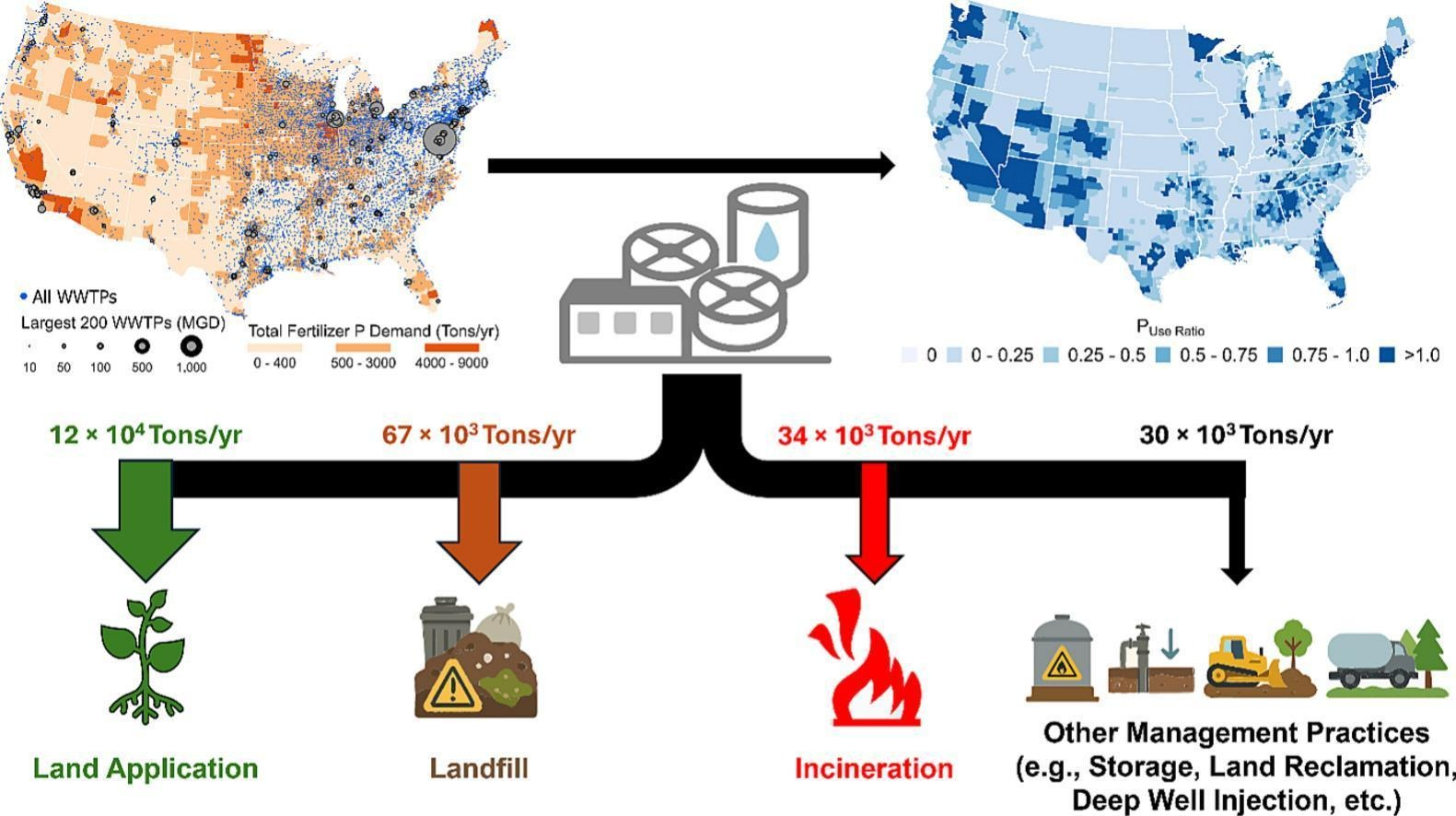
Establishing a circular phosphorus (P) economy requires identifying spatial hotspots of P fluxes and reuse potential. This study developed a comprehensive P budget for about 17,000 municipal wastewater treatment plants (WWTPs) across the contiguous United States, serving about 294 million people, to pinpoint where sewage-derived P can meet local agricultural fertilizer demand. Just 1.1% of WWTPs (the 200 largest) account for nearly 50% (0.30 MtP/yr) of total sewage P, and 187 of them already land-apply about 120,000 tons P/yr in sewage solids, while the remainder (~52%) is lost to landfills, incineration, or other disposal. The Phosphorus Use Ratio (PUse Ratio), wastewater P relative to commercial fertilizer P used, often exceeds 1.0 in urban counties but falls below 0.25 in Midwest agricultural regions, highlighting a spatial mismatch that makes closing the phosphorus loop logistically challenging. Much wastewater P is already reused through land application, but coordinated strategies are needed to maximize recovery.

Ground Water Quality Assessment using Quantum Machine Learning [Journal Link]

Published in 2026 17th International Conference on Information, Intelligence, Systems & Applications (IISA), 2026

Groundwater contamination by arsenic, nitrate, and uranium poses significant public health risks across the United States, and accurately predicting exceedance of maximum contaminant levels (MCLs) is critical for risk assessment and monitoring, particularly under sparse and heterogeneous sampling. This work develops a hybrid quantum-classical machine learning framework that classifies contaminant presence above or below a threshold (80% of the MCL) using a large-scale, curated dataset of groundwater observations and environmental covariates. Principal Component Analysis selects 12-14 informative features, which are encoded into quantum states using parameterized feature maps (ZZ and Y-ZZ embeddings) and combined with classical features to train a neural network classifier. Evaluated against classical machine learning baselines on nationwide data, the hybrid quantum models achieve comparable predictive performance. Gains are modest, but quantum feature embeddings offer competitive accuracy and a pathway toward richer representations of nonlinear environmental interactions. The study is presented as the first large-scale evaluation of hybrid quantum ML for groundwater quality assessment.

Mapping biological and chemical dimensions of antimicrobial resistance pollution and exposures due to treated wastewater discharges into US surface waters at the national scale [Journal Link]

Published in Environmental Pollution, 2026

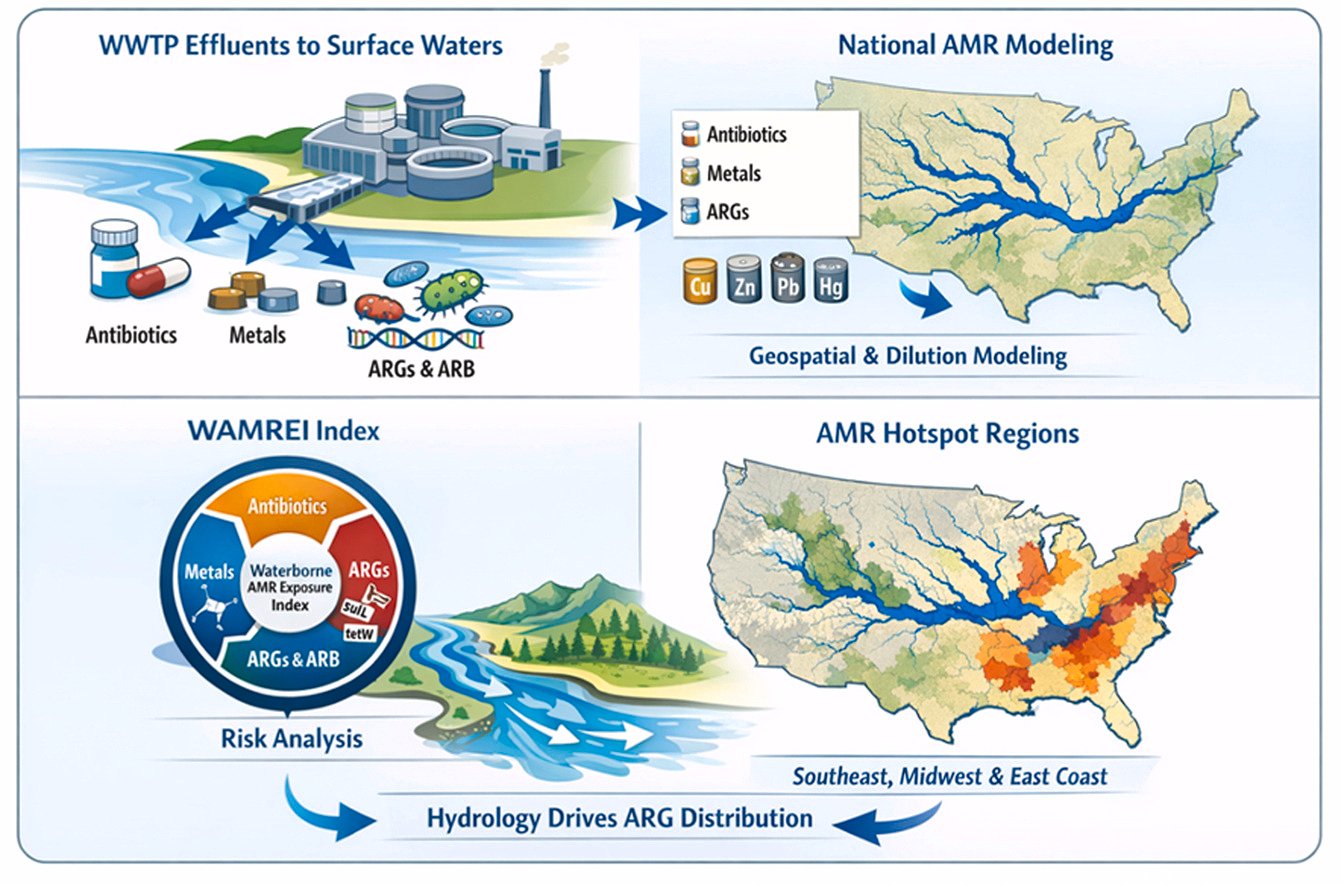
Wastewater treatment plant (WWTP) effluents raise exposure to antimicrobials, antimicrobial resistant bacteria, resistance genes (ARGs), and other AMR stressors in receiving waters, but their mass loading and associated human exposure risks have not been fully characterized. This study modeled downstream concentrations of four ARGs (intI1, sul1, blaTEM, tetW), four metals (copper, zinc, lead, mercury), and three antibiotics (sulfamethoxazole, tetracycline, ampicillin) from WWTP outfalls across the contiguous United States, using river dilution factors from geospatial modeling with regional low-flow trends. A multi-criteria waterborne AMR exposure index (WAMREI) was developed to prioritize geographic hot spots for monitoring and risk mitigation. Elevated multi-dimensional AMR exposure risks clustered in the Southeast, Midwest, and East coast, and the strong agreement in ARG behavior suggests that hydrologic processes play a dominant role in controlling ARG occurrence at the watershed scale.

Nationwide Assessment of De Facto Wastewater Reuse Reveals Vulnerable Drinking Water Systems and Infrastructure Gaps [Journal Link]

Published in Environmental Science & Technology, 2026

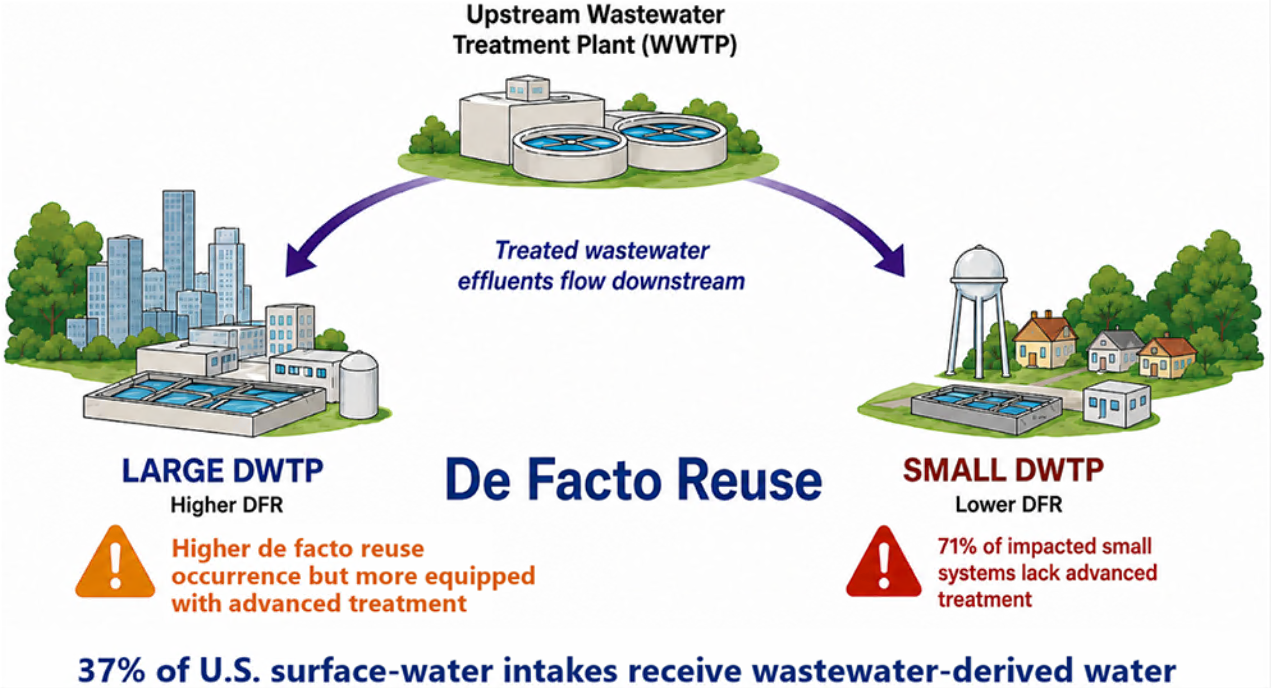
Unplanned wastewater reuse, or de facto reuse (DFR), improves surface water supply resiliency but can introduce nutrients and emerging contaminants into drinking water sources. This study expands the DRINCS model into DRINCS2.0 to cover all 6,881 U.S. surface water intakes serving about 232 million people, using updated high-resolution hydrography and post-2020 water and wastewater facility data. Large systems (>10,000 people) experience DFR more often (41% vs. 34%) and at higher magnitude (median 2.0% vs. 1.2%), yet 71% of affected small systems lack advanced treatment (activated carbon, ozone, or reverse osmosis), compared with 43% of large systems. Higher DFR was associated with increased PFAS occurrence in treated drinking water (EPA UCMR5 data), and more socioeconomically vulnerable populations were more likely to be served by DFR-impacted systems without advanced treatment. The study provides a national screening framework to prioritize monitoring and treatment upgrades for emerging contaminants.

talks

teaching